

The Language Services Blog | News & Information

Mobile App Accessibility: Meeting WCAG 2.2 and Section 508 Standards
People use screen readers, voice control, and larger text settings on their phones every day. As a result, mobile app accessibility decides whether those users can finish a task or give up on your app. For teams selling to US federal agencies, the stakes are higher. Section 508 sets accessibility requirements for the software those agencies buy, and that includes native mobile apps. This guide explains what Section 508 and WCAG 2.2 expect from an app. It also shows how to test for it before release. Mobile app accessibility starts with testing on a real device. What Section 508 and WCAG 2.2 Mean for Mobile App Accessibility Section 508 is the US law that requires federal agencies to buy accessible information and communication technology. Its technical standards incorporate WCAG 2.0 Level AA. They apply to web content and to other electronic content, such as software and native mobile apps. WCAG 2.2 is the newer version. According to the W3C's overview of WCAG 2.2, it adds nine success criteria and removes one obsolete one. Because it extends the older version, designing to WCAG 2.2 Level AA puts a team in a strong position. However, a buyer may still ask for a…
October 15, 2026
Our Recent
Blogs
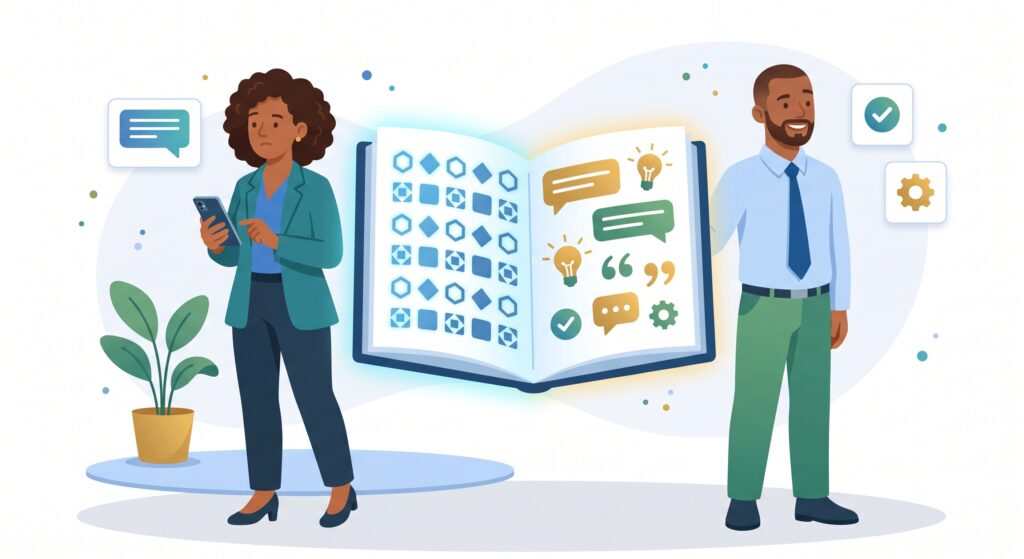
A perfectly translated slogan can still fail in market. Not because the words were wrong, but because the feeling was lost along the way. That gap — between accurate and effective — is exactly what transcreation is built to close. Every marketing team that expands into a new language eventually asks the same question: "Can't we just translate the campaign?" The honest answer is — sometimes. A product spec sheet, a legal disclaimer, a support article: these need to be translated accurately, and that's the whole job. But a tagline, a headline, an emotional pitch built around wordplay, rhythm, or a cultural reference? That's a different problem entirely, and it's one that translation alone was never designed to solve. What Is Transcreation, Really? Transcreation — short for "creative translation" — takes the intent, tone, and emotional impact of a message and rebuilds it in another language, even if that means changing the words completely. A translator asks, "What did the source text say?" A transcreator asks, "What is this text trying to make someone feel, and how do I make a reader in this market feel that same thing?" The difference sounds subtle. In practice, it changes everything about the…
August 26, 2026
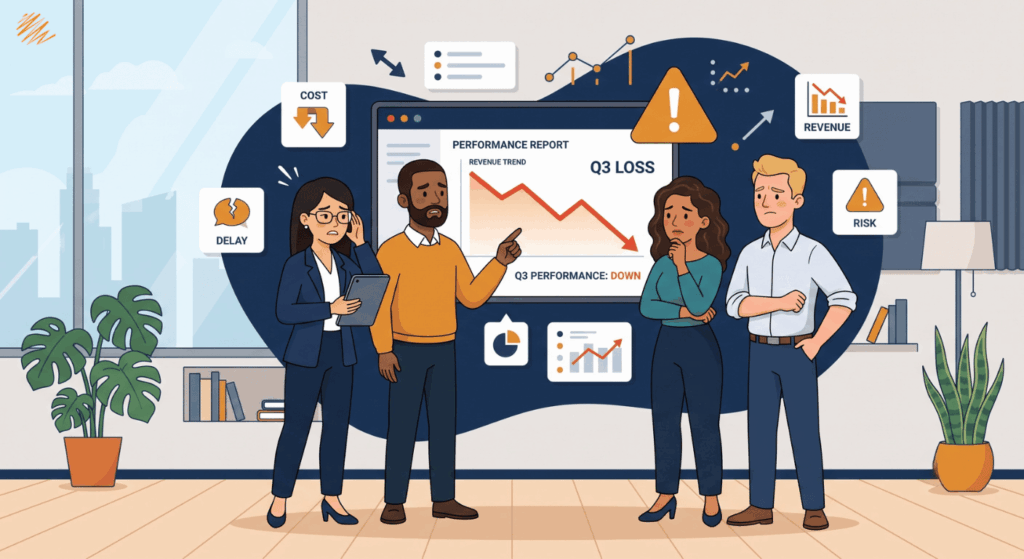
Poor Localization rarely announces itself... By the Translationary Editorial Team | 6 Min Read | Category: Localization Strategy Poor Localization rarely announces itself with a dramatic mistake. There's no error message. No obvious red flag. Just a product that feels slightly off in every new market. A campaign that lands flat. A checkout flow that confuses users just enough to make them leave. The damage is quiet — but it compounds quickly. Companies that expand globally without investing in proper Localization don't usually fail dramatically. Growth simply slows. Costs quietly climb as teams fix problems that could have been prevented. And revenue gets left on the table in every market they enter. This article breaks down exactly what poor Localization costs — and what it takes to get it right. The Obvious Costs of Poor Localization Some costs of poor Localization are easy to see — though they're rarely anticipated until they happen. Cost 01 — Rework and Retranslation In practice, fixing bad work almost always costs more than doing it correctly the first time. When a translation is inaccurate, culturally off, or inconsistent with your brand voice, your team needs to review, correct, and often redo the entire project from scratch That's double…
August 5, 2026

By the Translationary Editorial Team | 6 Min Read | Category: E-Learning Localization E-Learning localization determines whether a global training rollout succeeds or fails. Imagine this: your team has spent three months building a comprehensive onboarding course. The design is polished, the content is solid, and the learning outcomes are clear. You send the script to a translation vendor, receive the translated files two weeks later, and launch the course in four new markets. Six months later, completion rates are half of what you expected. Learner feedback points to confusing instructions, awkward phrasing, and examples that don't feel relevant. Your L&D team is frustrated. Leadership is asking questions. What went wrong? The course was translated. But it was never localized — that's the gap E-Learning Localization is built to close. Teams often use these two words interchangeably — but in E-Learning, the difference between them is the difference between a course that works and one that doesn't. What Makes E-Learning Localization Different from Standard Translation Many translation projects focus mainly on text. E-Learning is different because the content is spread across multiple layers. You translate the words, review the output, and you're done. E-Learning is different. A single online course can contain all of…
July 28, 2026

By the Translationary Editorial Team | 5 Min Read | Category: Website Localization Website localization is about more than translating your site — it is about doing the groundwork that makes every language version fast, accurate, and easy to maintain. Without proper preparation, Localization projects can become more expensive, take longer to complete, and create inconsistent experiences for your customers. By taking a few strategic steps before Localization begins, you can reduce costs, improve efficiency, and build a stronger multilingual presence from day one. Most businesses that want to expand into new markets understand the need for Localization. But understanding the need and knowing how to prepare for it are two very different things. Many teams jump straight into translation without setting up the foundations first — and end up with a slower, more expensive, and more frustrating project than necessary. This guide walks through exactly what to do before you hand your site to a Localization partner. Get these steps right, and everything that follows becomes smoother. 1. Audit Your Existing Content for Website Localization Before anything gets translated, you need to know what you're working with. Start by taking stock of every piece of content on your website that will need to…
July 28, 2026
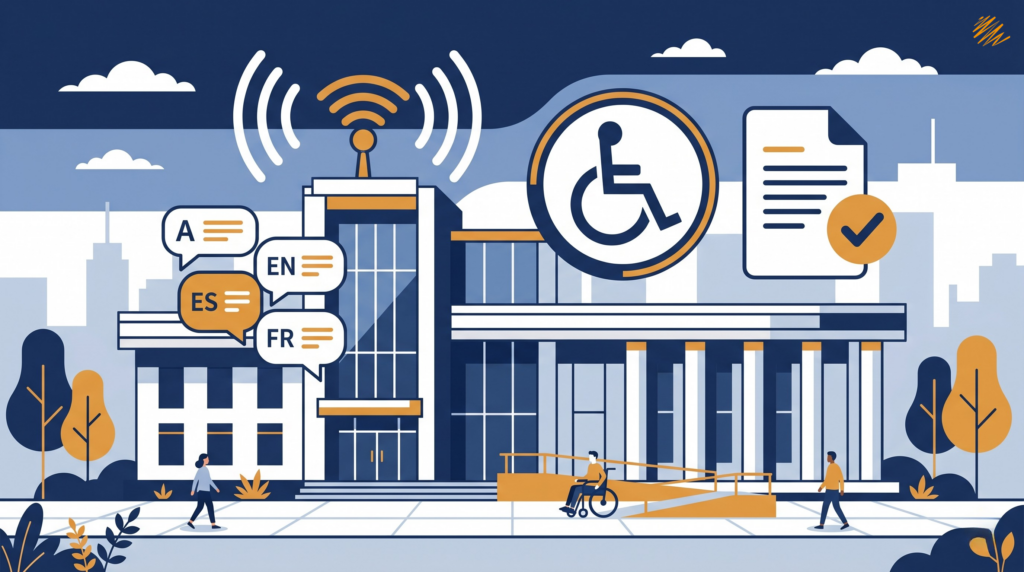
By the Translationary Editorial Team | 5 Min Read | Category: Digital Accessibility / Compliance Government accessibility compliance is not a design preference. It is part of how public services are delivered fairly and lawfully — and it cannot stop at the source language. Accessibility compliance in government and public sector work is not a design preference. It is part of how public services are delivered fairly and lawfully. When a citizen cannot use a government website, form, mobile app, or public document because it is inaccessible, the result is not just frustration. It is a barrier to services and information that may be essential. For public-sector teams, accessibility also cannot stop at the source language. If an agency publishes content in multiple languages, each public-facing version should remain usable and understandable for the audience it serves. A translated page with broken keyboard flow, a PDF with the wrong language setting, or untranslated alternative text can create the same barrier as inaccessible source content. Accessibility and language access meet in the same user journey. Government Accessibility Compliance Frameworks WCAG 2.0 / 2.1 AA Section 508 ADA Title II EN 301 549 v3.2.1 ♿ Disability Access 🌐 Language Access 📄 Document…
May 25, 2026

Accessibility isn't just a technical checkbox — it's a language in itself. Here's how professional PDF remediation works, and why getting it right matters for every audience you serve. PDF accessibility remediation is the process every organization needs — yet few fully understand. Imagine spending weeks crafting a perfectly translated annual report, a multilingual compliance brief, or a localized product manual, only to discover that someone using a screen reader cannot access a single word of it. That gap between a well-translated document and a truly accessible one is, in fact, more common than most organizations realize. In this guide, we walk you through the exact steps involved in PDF accessibility remediation — taking a document from its raw, often inaccessible state to one that meets WCAG 2.1 and Section 508 standards. Moreover, we explain why each step is more nuanced than it looks, and why language expertise sits at the heart of the process. 1.3B People living with a disability worldwide 71% Of users with disabilities will leave an inaccessible site 96% Of top websites have detectable accessibility failures "A document isn't truly translated until every person — regardless of how they read — can access it." Why Most…
May 14, 2026