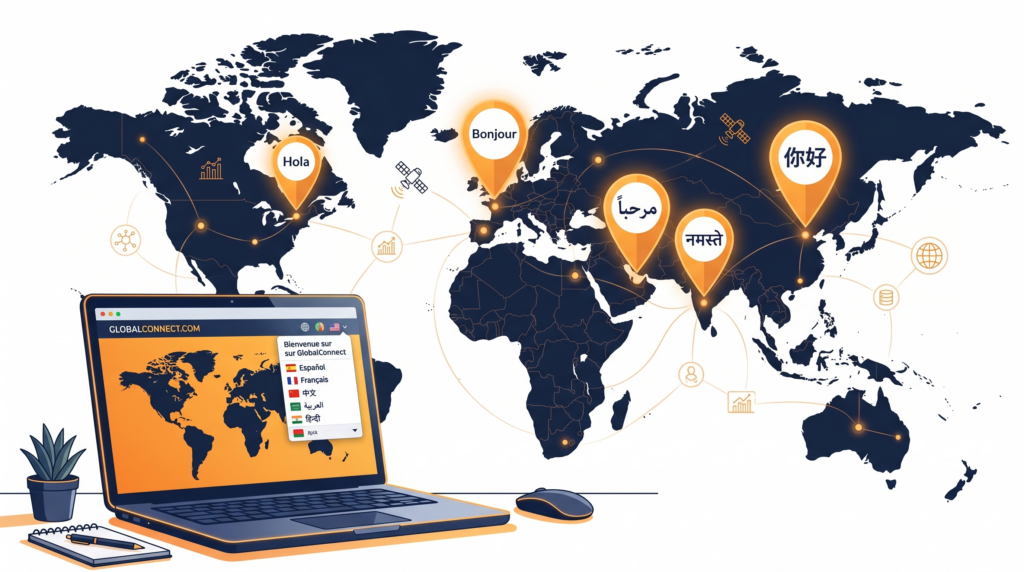
“As businesses continue to globalize, the demand for language services is at an all-time high. New market opportunities combined with advancements in technology are transforming industries worldwide. Language Services Providers (LSPs) play a crucial role in helping businesses break down language barriers, which is essential for expansion and effective communication.
As we look ahead to 2025, let’s explore three key regions poised for significant growth in language services.”
1. Africa: A Marketplace of Possibilities
The African continent is on the brink of a trade revolution, bolstered by initiatives like the African Continental Free Trade Area (AfCFTA). This development is paving the way for a unified market, which, alongside the emergence of a robust tech ecosystem, is driving the demand for diverse language services due to several factors:
- Rise in Trade Activities: With more businesses venturing into African markets, there’s a need for accurate translation and interpretation to facilitate effective collaboration between partners.
- Rich Linguistic Diversity: Home to over 2,000 languages, Africa’s unique linguistic landscape fosters the need for customized communication strategies among nations.
- Regulatory and Legal Obligations: As companies engage with various regulatory frameworks, the importance of precise translations of legal documents becomes crucial.
- Localized Marketing Strategies: To resonate with local audiences, businesses must create culturally relevant marketing materials, necessitating professional localization services.
2. Asia Pacific (APAC): A Hub of Innovation and Growth
The APAC region is witnessing an influx of foreign investments, particularly in developing areas of Southeast Asia. The Regional Comprehensive Economic Partnership (RCEP), which encompasses a significant portion of the global population, presents powerful opportunities for language service providers:
- Economic Progress: As businesses expand across countries, language services become critical for navigating diverse markets and customer bases.
- Cultural Complexity: The multitude of languages and dialects present in the region necessitates high-quality translation and adaptation to meet local expectations.
- Digital Engagement: With the evolving digital landscape, organizations need assistance in localizing content to appeal to a wide range of audiences, ensuring effective communication.
- International Education: Rising levels of academic exchange drive the demand for translations of educational materials to support non-native speakers.
3. Eastern Europe and Central Asia: Navigating New Trade Landscapes
Despite political tensions in certain areas, Eastern Europe and Central Asia are becoming attractive destinations for international business. The framework provided by the Eurasian Economic Union (EAEU) is conducive to trade and language services:
- Diverse Languages and Cultures: The various languages spoken throughout this region create a strong need for translation services to facilitate trade and communication.
- Compliance with Local Regulations: Companies must conform to unique legal requirements, making the translation of agreements and compliance documents vital.
- Market Adaptation: To successfully enter new territories, businesses require localized marketing strategies that cater to regional preferences and cultural nuances.
- Support for Digital Commerce: The surge in digital platforms calls for multilingual customer support, creating a significant opportunity for language services.
Embracing Global Opportunities in 2025
The landscape for language services in these key regions is filled with potential as globalization continues to reshape markets. By recognizing these trends, businesses can position themselves to thrive in 2025 and beyond.
At Translationary, we specialize in providing tailored language solutions to help you navigate these emerging markets. Our experienced team is ready to assist you in developing effective communication strategies that will resonate with your target audience.
Reach out for a consultation today, let’s discuss how we can help you expand your reach in these promising regions!